A runway in a storm
Picture a large airport as a storm comes through. Aircraft line up on approach in strong crosswinds. Some land, some go around, some divert. Controllers decide in seconds, and every decision rests on live information: where each aircraft is, its height and speed, what is waiting to take off, and what the wind is doing on each runway.
The control tower is only part of it. Ground crews, stand planners, baggage teams and terminal staff all act on the same events. One diverted flight changes a stand, a crew roster and a bus timetable. If any of those teams works from old or partial information, the delay spreads.
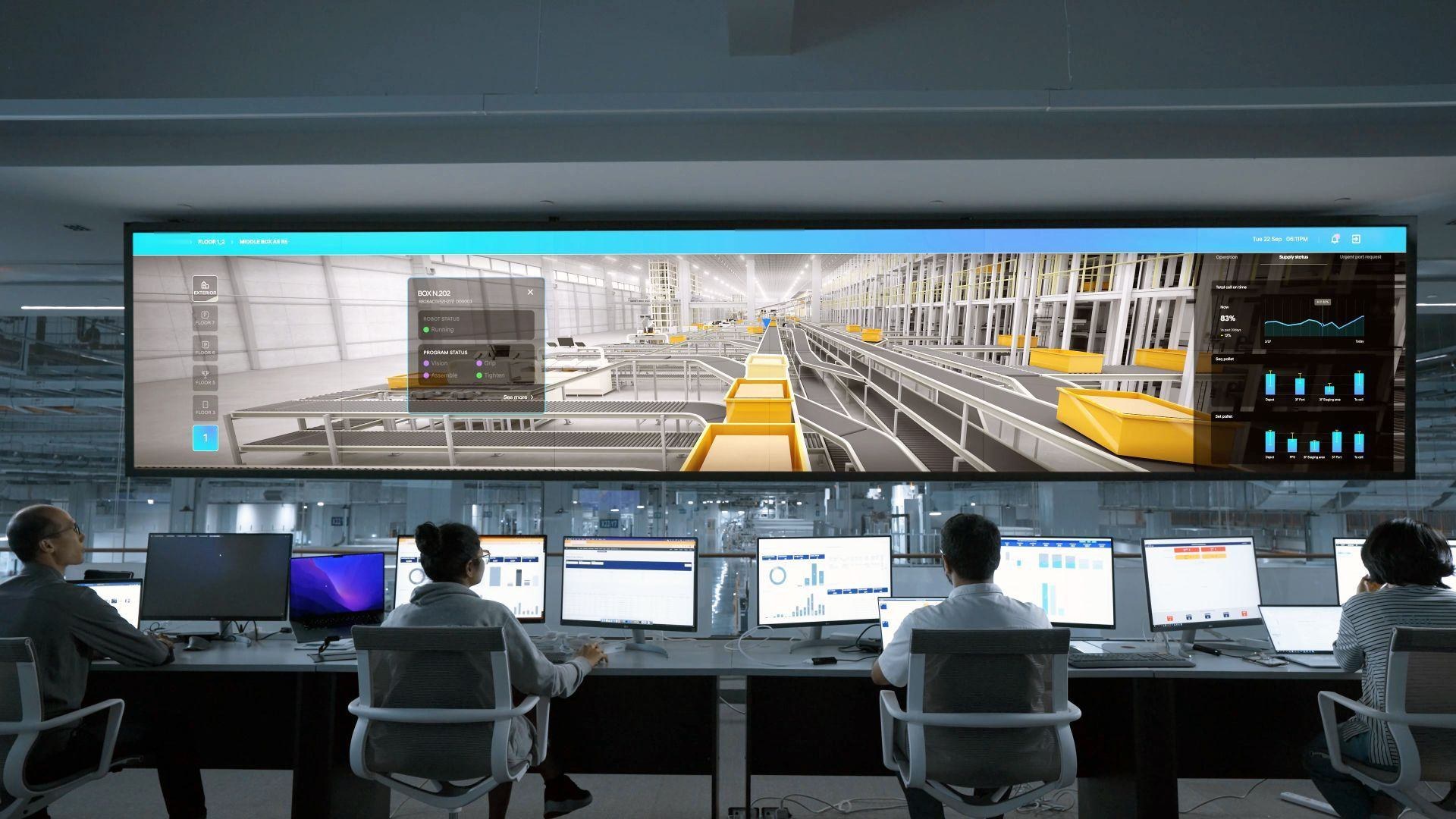
What makes it work is consolidation. The data comes from many systems, but the people deciding see it together, as it happens.
Most networks still run on separate screens
Power, water and telecoms networks face the same kind of moment: a storm, a flood, a cable cut, a cyber incident. The difference is that their information rarely arrives in one place.
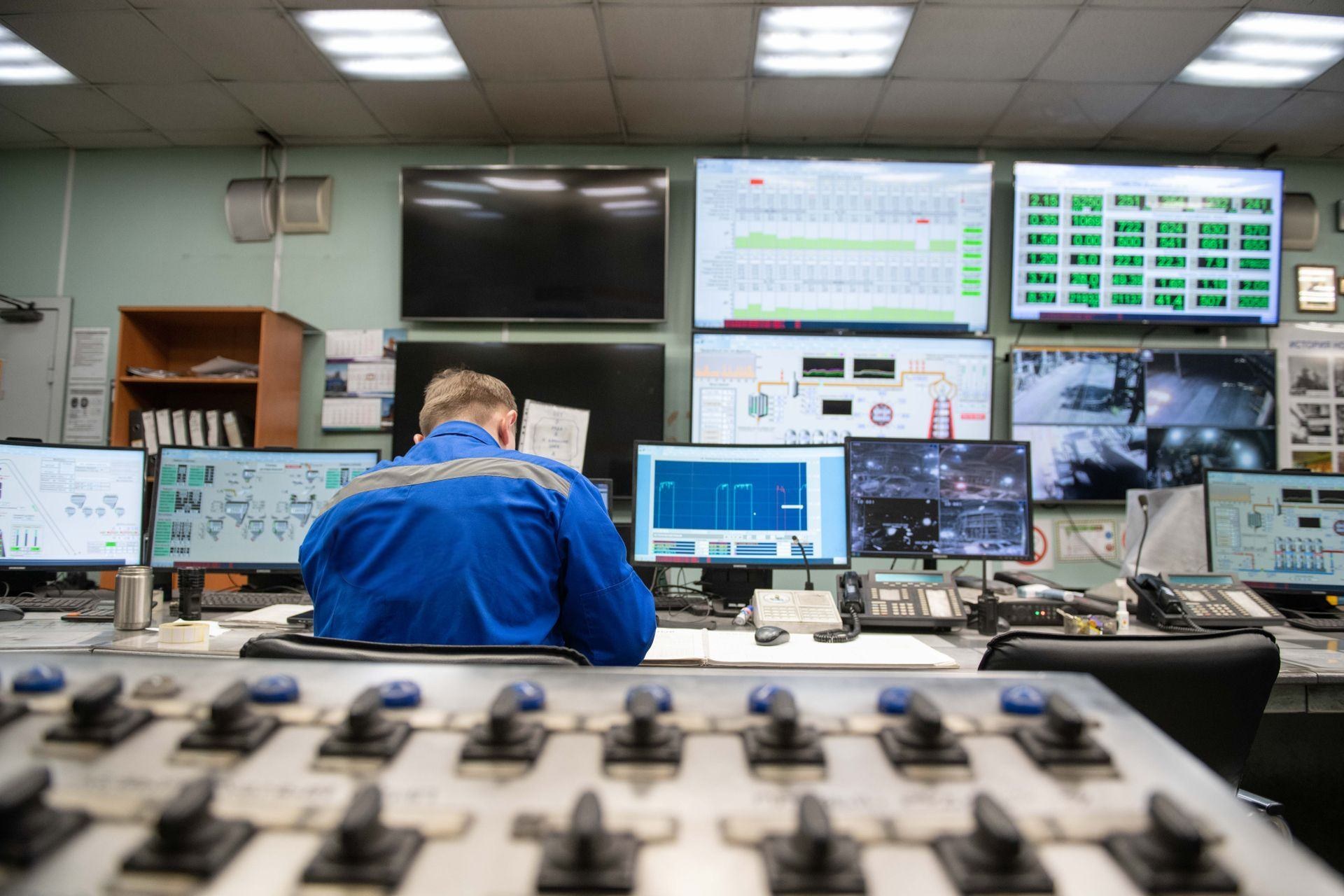
The control room sees the alarm. The map system knows where the asset is. The asset register holds its history. The work-order system knows which crew is nearest. The contact centre often hears from the public first. Every extra system is another place where information can arrive late, go missing or be entered twice. In a normal week, people bridge the gaps by phone and email. In a crisis, the gaps are where time is lost.
Regulators expect operators to see it live
ENTSO-E, the European association of electricity transmission system operators, has published the final report of its expert panel on the blackout in Spain and Portugal on 28 April 2025. It found data gaps that prevented some causes from being determined, and it made 22 recommendations, including better real-time visibility.
The rules point the same way. Under the CER Directive (EU) 2022/2557, a critical entity sends an initial notification of a significant incident within 24 hours (Article 15). Under the NIS2 Directive (EU) 2022/2555, an early warning of a significant incident is also due within 24 hours (Article 23). Both assume the operator knows what is happening across its network while it is happening, and can show it afterwards.
What one live picture needs
- Every feed checked on the way in. In Affectli, built by Mi-C3, the Mi-Stream engine takes in feeds from many sources and applies rules, filters and integrity checks in real time, before events reach the operators.
- Every event tied to an asset, a place and a team. Affectli models the operation as a live ontology, so every alarm arrives with its asset, its site and its crew.
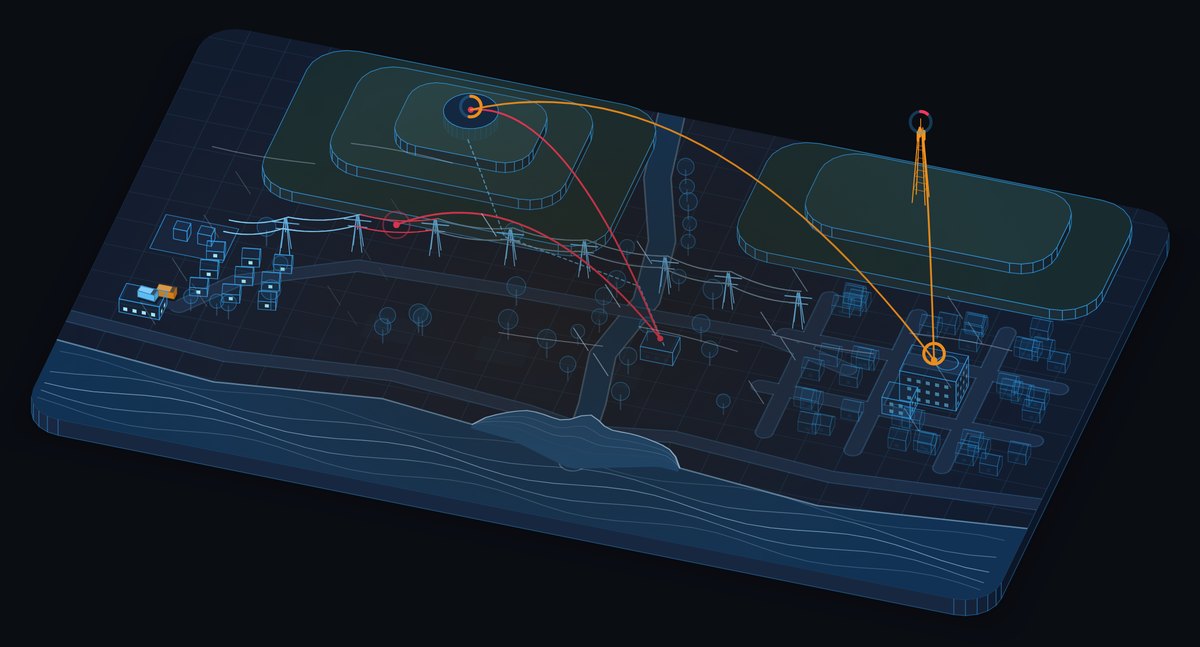
- One map that everyone shares. In Situational Awareness, an asset’s icon changes colour on a fault or alarm, and changes again as the issue is resolved or escalated. Operators find the nearest person and send them from the same screen.
- A record that builds as events unfold. The Events Monitor is a live feed, filtered by view or objective. Each record opens to its full history: people, documents, status, actions and severity.
- The same picture in the field. Crews and managers see it on phones and tablets, away from the control room.
Three questions for your next exercise
- When the next storm warning arrives, how many screens will the duty manager open to see the whole network?
- How long would it take to list every asset, service and team affected by a single fault?
- Do the crews in the field see the same picture as the control room?
For what the two directives ask once an incident starts, read CER and NIS2: the 24-hour clock.